Buying a home is one of the biggest financial decisions you’ll ever make. It’s exciting, emotional, and sometimes overwhelming — especially in a competitive market. While it’s easy to focus on paint colors and countertops, there are several bigger-picture factors you should carefully consider before making an offer.
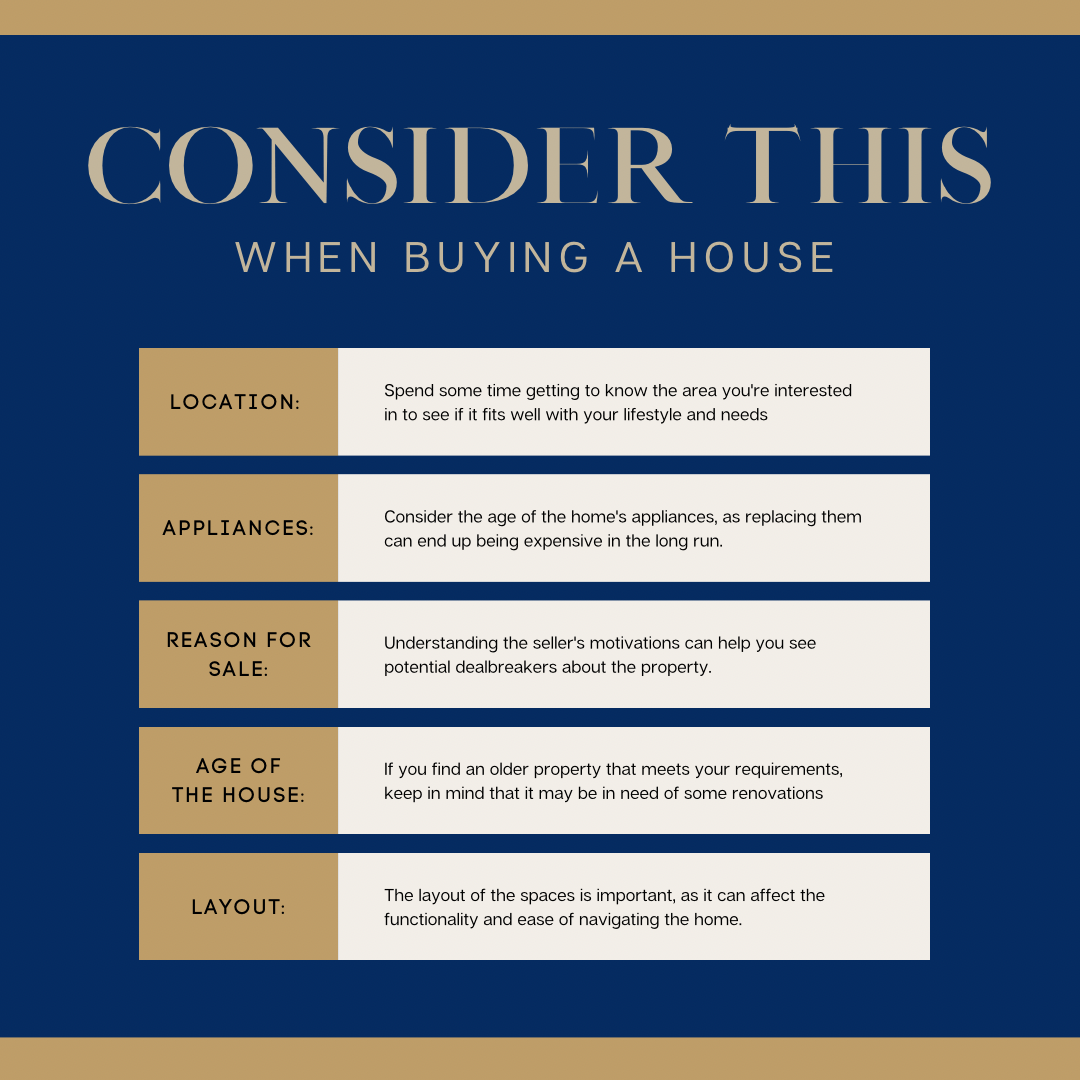
Here are five important things every buyer should evaluate before purchasing a home.
⸻
1. Location
You can change almost everything about a house — but you cannot change its location.
Spend time getting to know the area before committing. Drive through the neighborhood at different times of day. Consider commute times, nearby amenities, schools, traffic flow, and long-term development plans.
Ask yourself:
• Does this area fit my lifestyle?
• Is it convenient for work, church, family, or daily activities?
• Will this location hold long-term value?
In a growing area like White County and the Upper Cumberland, location can significantly impact both your quality of life and your future resale value.
⸻
2. Appliances
Appliances may not seem like a big deal at first glance — but replacing them can add up quickly.
Pay attention to:
• The age of the HVAC system
• Water heater condition
• Roof age
• Kitchen appliances
• Washer and dryer (if included)
An older HVAC system or roof nearing the end of its life could mean major expenses in the near future. During the inspection period, we always evaluate these items closely so you can make an informed decision.
⸻
3. Reason for Sale
Understanding why a seller is moving can give helpful context during negotiations.
Are they relocating for work? Downsizing? Selling an investment property? While you won’t always get every detail, knowing the motivation can sometimes reveal flexibility on price, timeline, or repairs.
It can also help you spot potential red flags if something feels rushed or unclear. This is where having an experienced agent advocating for you truly matters.
⸻
4. Age of the Home
Older homes often come with character and charm — but they can also come with maintenance needs.
If you’re considering an older property, think about:
• Electrical updates
• Plumbing systems
• Foundation condition
• Insulation and energy efficiency
• Windows and roofing
That doesn’t mean older homes aren’t great options — it just means you should budget appropriately for potential updates or renovations.
⸻
5. Layout
The layout of a home affects daily life more than most buyers realize.
Ask yourself:
• Does the floor plan flow well?
• Are the bedrooms positioned in a way that works for your family?
• Is there enough storage?
• Does the kitchen connect to living spaces for entertaining?
Square footage doesn’t always equal functionality. A well-designed 1,800-square-foot home can live better than a poorly laid-out 2,200-square-foot home.